
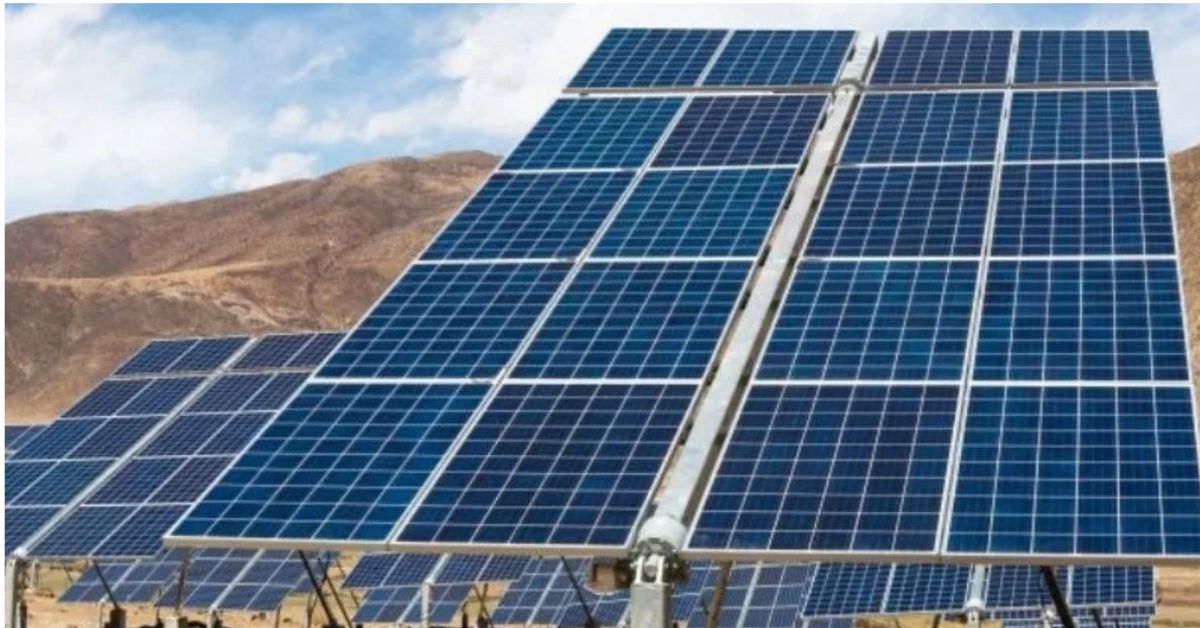
India Adds Record 3 GW of Open-Access Solar Capacity in Q2 2026
India added a record 3 GW of solar open-access capacity in the second quarter (Q2) of 2026, marking the highest-ever quarterly addition. The growth was driven by increased renewable energy procurement by commercial and industrial (C&I) consumers ahead of regulatory changes and evolving domestic sourcing requirements.
The quarterly addition was 10% higher than in the previous quarter and marginally above the level recorded in the same period last year. During the first half of 2026, solar open-access installations surged 42% year-on-year to nearly 6 GW, compared with approximately 4 GW in the corresponding period of 2025.
According to the India Solar Open Access Market Report, project developers accelerated procurement and commissioning activities in anticipation of the phased reduction in the waiver of Inter-State Transmission System (ISTS) charges and the implementation of sourcing requirements under the Approved List of Models and Manufacturers (ALMM) List-II.
Although the ALMM List-II requirement for open-access projects was subsequently deferred until the end of 2026, the extension came after the original deadline had passed. Consequently, several developers had already advanced their procurement and project timelines to comply with the anticipated requirements.
Rajasthan Leads Quarterly Capacity Additions
Rajasthan emerged as the leading market, accounting for 25% of the solar open-access capacity added in Q2 2026. The top five states collectively contributed 91% of total quarterly installations, underscoring the concentration of capacity additions in regions with strong industrial demand and established open-access regulatory frameworks.
Demand continued to expand across a diverse range of commercial and industrial sectors, including automotive, cement, chemicals, electrical and electronics, fast-moving consumer goods (FMCG), healthcare, information technology, data centres, petroleum, pharmaceuticals and textiles.
The project pipeline also remained substantial. Rajasthan held the largest pipeline of upcoming projects, followed closely by Maharashtra and Karnataka, indicating continued opportunities for solar open-access development in these key markets.
Regulatory and Infrastructure Challenges Persist
Despite strong growth, the pace of future capacity additions could face headwinds from rising project costs, transmission constraints, changes in banking provisions and open-access regulations, and domestic sourcing requirements. These factors are increasingly influencing project economics and developers’ investment decisions.
Balancing regulatory compliance with cost competitiveness and timely project execution will remain critical to sustaining momentum in India’s solar open-access market.
Karnataka Leads Green Day-Ahead Market Sales
In the Green Day-Ahead Market (GDAM), Karnataka accounted for 35% of electricity sold during the first two months of 2026, emerging as the leading seller. Punjab was the largest buyer, followed by Damodar Valley Corporation and Gujarat.
Meanwhile, trading volumes in the Green Term-Ahead Market (GTAM) on the Indian Energy Exchange (IEX) stood at 67.2 million units during the same two-month period, reflecting activity in India’s short-term green electricity market.
Renewable Energy Certificate Clearances Decline
Renewable Energy Certificate (REC) clearances on the exchange declined by 86% sequentially in Q2 2026. The sharp fall followed elevated procurement in the March quarter, when entities with Renewable Purchase Obligations (RPOs) increased purchases ahead of the financial year-end to meet their compliance requirements.
The decline highlights the seasonal nature of REC procurement, with purchasing activity often rising towards the end of the financial year as obligated entities work to fulfil their renewable energy compliance targets.
India’s record open-access solar additions in Q2 2026 underline the growing role of renewable energy in meeting the electricity requirements of commercial and industrial consumers. While regulatory changes, infrastructure constraints and sourcing requirements pose challenges, a strong project pipeline and sustained demand from energy-intensive industries could continue to support market expansion.